Chimney Inspections
What Does a Chimney Inspection Include in the Portland Metro?
By Jesse, Owner · October 20, 2026 · 6 min read
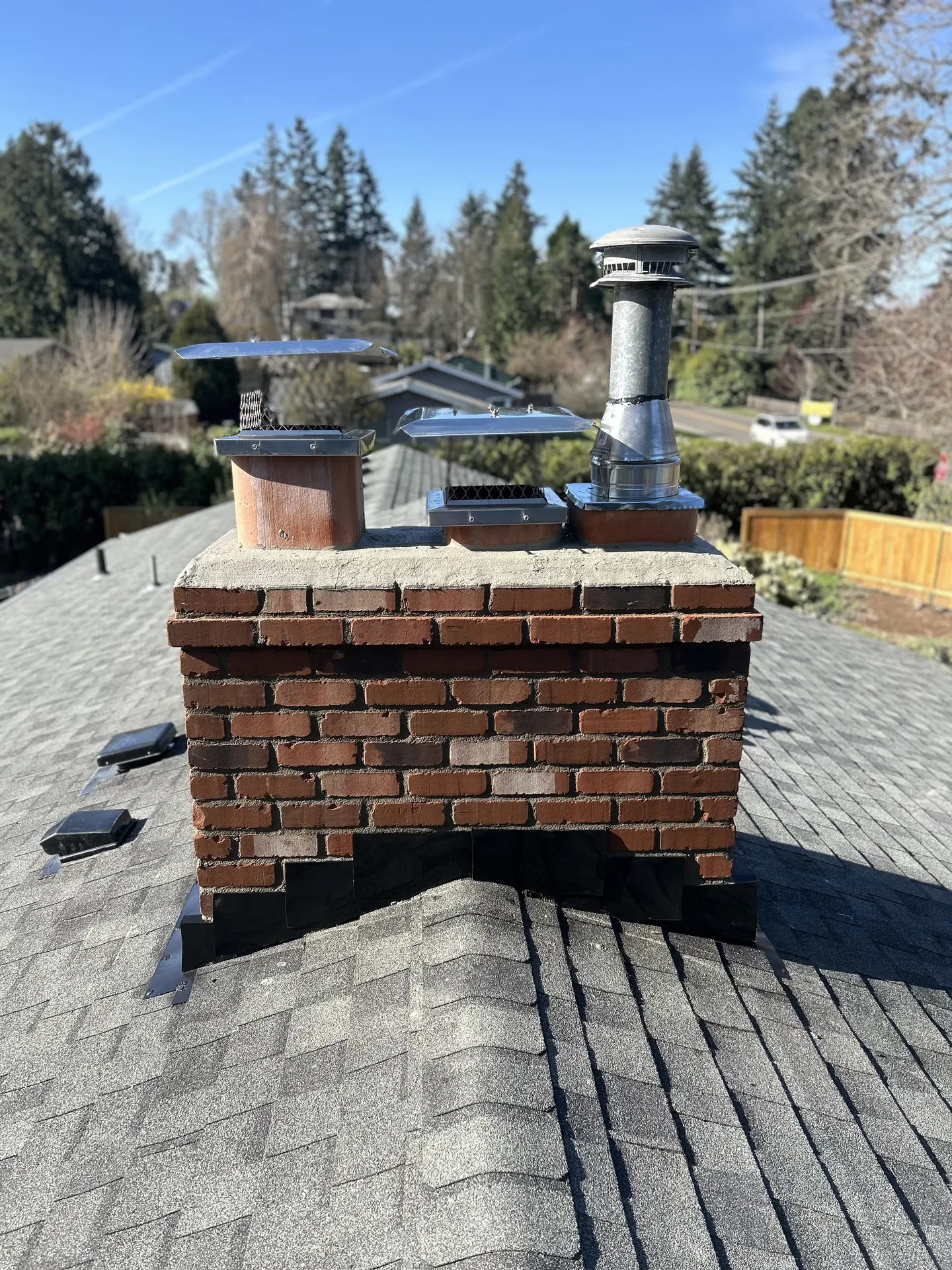
A chimney inspection sounds simple until you're standing on a ladder looking at someone's flue for the first time. Homeowners around Estacada and the greater Portland metro usually assume it's a quick flashlight peek, but a proper inspection covers a lot more ground than that. Here's what actually happens when a First Rate Chimney technician shows up at your house, and why each step matters more than it looks.
What Our Inspection Actually Covers
Every chimney sweep and inspection we run starts at the top and works down. That means checking the chimney crown for cracks, looking at the cap and spark arrestor screen for rust or damage, and examining the flashing where the chimney meets the roofline. From there we move inside, checking the flue liner for creosote buildup, cracked tiles, or gaps that could let heat reach combustible materials in the walls. We also check the damper, the smoke chamber, and the firebox itself for spalling brick or loose mortar joints.
This isn't a once-over with a flashlight. We use a camera to get a real look inside the flue, especially in older masonry chimneys where tile liners can shift or crack over decades of heating cycles. If something looks off, we'll show you the footage rather than just telling you to trust us.
The HEPA Sweep Comes Along for the Ride
Our $240 flat-rate sweep and inspection are bundled together on purpose. Rotary sweeping with HEPA-filtered equipment pulls creosote and debris out of the flue without sending soot into your living room, and the inspection happens while that equipment is already in place. It's more efficient for you and for us, and it means you're not paying for two separate visits to get a complete picture of your chimney's condition.
We genuinely guarantee no mess. Techs lay down drop cloths, seal the firebox opening while sweeping, and vacuum any fine dust before they leave. If your living room looks like it did before we arrived, we've done our job right.
What We're Actually Looking For
Most of the damage we find falls into a handful of categories: water intrusion, mortar failure, and heat damage. Water is the big one in this climate. Oregon rain works its way into hairline cracks in the crown or around flashing that's pulled away from the brick, and over a few winters that moisture freezes, expands, and turns small cracks into real structural problems. That's why we pay close attention to waterproofing and flashing during every inspection, even on chimneys that look fine from the ground.
Mortar joints are the other thing we watch closely. Thirty years of masonry work has taught our crew what normal weathering looks like versus joints that are crumbling and need tuckpointing before winter. We'll flag it either way, even if the fix isn't something you need done this season.
A Rooftop Find During Rainy Season
A few winters back, a tech was up on a roof near Estacada doing a routine sweep and inspection on a chimney that had never given the homeowner any trouble. The crown had a hairline crack that wasn't visible from the ground, and water had already started working its way into the brick below. Because it got caught during a scheduled inspection rather than after a leak showed up on the ceiling, the fix was a straightforward crown repair instead of a full rebuild.
What Happens After the Inspection
If we find something, we'll walk you through your options rather than pushing a single fix. Sometimes it's as simple as a new cap. Our custom caps and dampers are made locally, powder coated to match your chimney, and backed by a lifetime warranty, so if your old cap is rusted through or letting rain in, that's often the easiest upgrade. Other times the fix is bigger, like repointing mortar joints or rebuilding a crown, and that falls under our masonry repair and rebuild work.
If you're running a wood or pellet stove, the inspection also covers the insert itself, the glass door seal, and the venting from the stove to the cap. The same goes for gas fireplaces and inserts, where we're checking gas line connections and venting performance rather than creosote buildup. Either way, the inspection is meant to tell you exactly what condition your system is in before cold weather puts it to the test.
We also get occasional questions about bathroom venting and moisture issues that overlap with chimney and masonry work, since both deal with water intrusion into a home's structure. For that kind of job we point people to Bathroom Surface Solutions, a local outfit we trust for bathroom surface and moisture repair when the issue isn't chimney related.
Why Inspections Matter More Here Than Most Places
The Portland metro gets a particular kind of weather that's hard on masonry: long stretches of steady rain followed by sudden cold snaps. That combination is exactly what causes freeze-thaw damage in brick and mortar, and it's why an annual inspection catches problems here that might go unnoticed in a drier climate for years. A crack that would sit quietly in Arizona can turn into a real leak after one Oregon winter.
It's also why we recommend inspections even for chimneys that aren't used heavily. A fireplace that only gets lit a few times a season can still take on water damage from a failing crown or flashing, regardless of how much creosote has built up inside.
Booking an Inspection in Estacada and the Portland Metro
We've been serving the metro since 2022, and most of our calls still come from word of mouth and repeat customers who book us every fall before the first cold snap. If it's been a year or more since anyone looked at your chimney, or you've never had one done at all, now's a reasonable time to get on the schedule before the rush hits. You can reach us at (503) 898-8856 or Services@FirstRateChimney.com, and we're happy to answer questions about your specific setup before you book anything.
We're licensed, insured, and bonded under CCB 244885, and our reviews reflect a crew that shows up, explains what they find, and doesn't try to sell you work you don't need.
Ready to book your sweep in Estacada?
Common Questions
FAQ
How long does a chimney inspection take?
Most standard sweep-and-inspection visits take about an hour, depending on chimney height and condition. If we find something that needs a closer look, like a suspected crack behind the liner, it can run a bit longer.
Do I need an inspection every year even if I don't use my fireplace much?
Yes, because water damage and mortar failure happen regardless of how often you burn. Oregon's rain and freeze-thaw cycles affect chimneys whether they're in daily use or sitting mostly idle.
What's included in the $240 flat rate?
The $240 covers rotary sweeping with HEPA equipment plus a full visual inspection of the crown, cap, flue, and firebox. Any additional repair work, like masonry rebuilds or cap replacement, gets quoted separately once we know what's needed.
Can an inspection catch problems before they cause a leak?
Often, yes. Hairline crown cracks and loosening flashing usually show up during inspection well before they turn into visible water stains inside the house, which is the whole point of catching them early.
Still have a question? Email Services@FirstRateChimney.com