
Sweep & Cap Package
Chimney Sweep and Cap Inspection: What to Bundle Before Portland's Rainy Season Hits
By Jesse, Owner · October 18, 2026 · 7 min read
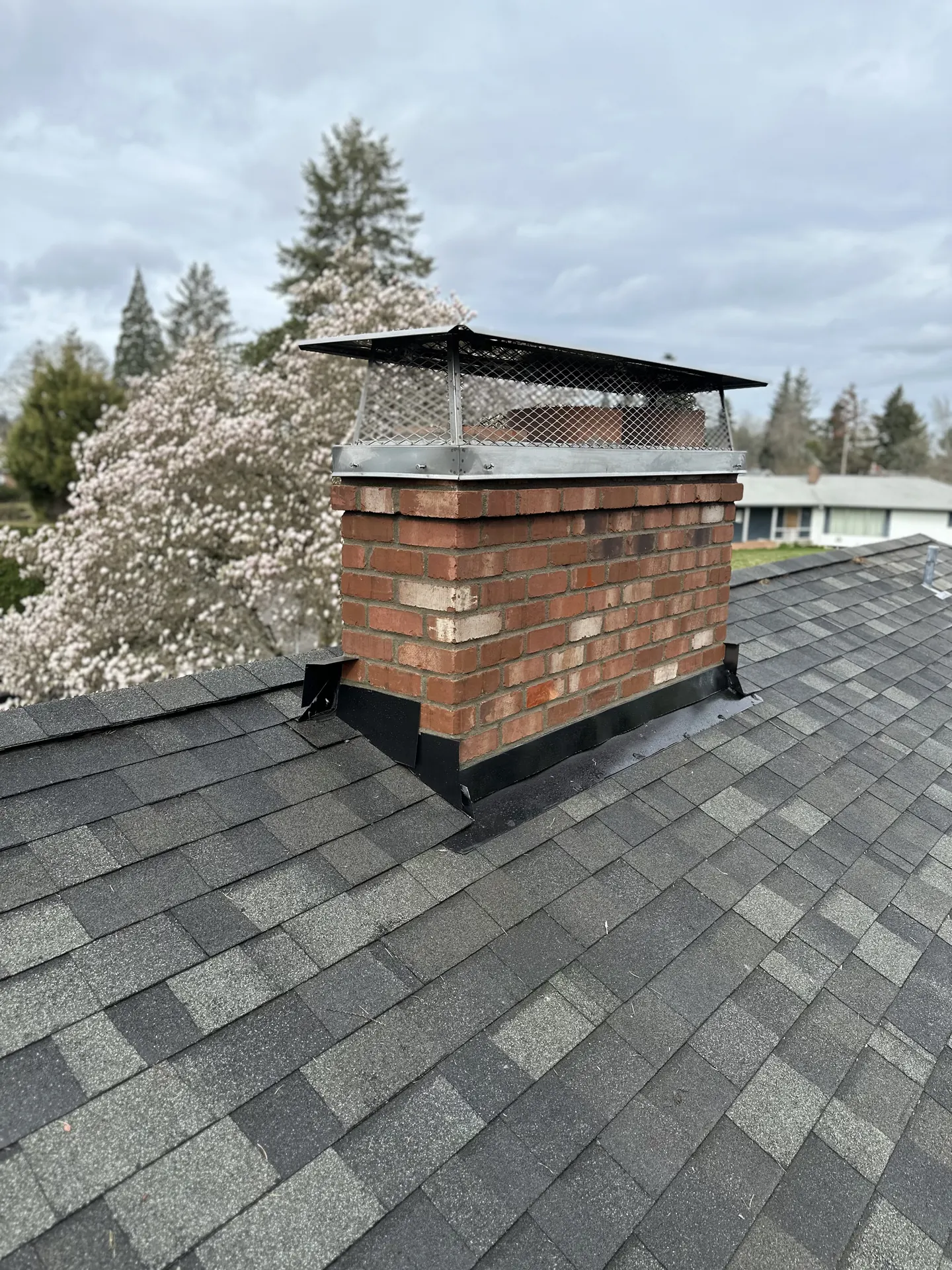
A lot of homeowners in the Portland metro call us for one thing and end up needing the other. They want the chimney swept before they start burning for the season, and once we're up on the roof anyway, the cap turns out to be rusted through, missing a screen, or just gone entirely after a windstorm. Pairing a sweep with a cap inspection isn't an upsell. It's just how a chimney actually gets checked properly, top to bottom, in one visit.
Why the Sweep and the Cap Go Together
Most people think of a chimney sweep as cleaning creosote out of the flue, and that's true as far as it goes. Our chimney sweep and inspection service uses rotary sweeping with HEPA equipment, so no soot ends up on the carpet, and a visual inspection rides along with every job at a flat $240. But that inspection is only useful if someone is also looking at what's sitting on top of the flue. The cap is the first line of defense against rain, squirrels, birds, and downdrafts, and in a climate like ours it takes a beating every winter whether anyone notices or not.
We're based out of Estacada, Oregon, and we've been serving the metro since 2022, which means we've seen a full cycle of Oregon winters do their damage to caps and crowns. Rust rings on a spark arrestor screen, a cap that's rocking loose from wind, mortar crowns cracking at the corners - these show up together more often than not. A sweep tells you what's happening inside the flue. A cap check tells you what's letting water and animals in from above. Skip one and you're only getting half the picture.
What's Actually Included in a Cap Inspection
When we're up there for a sweep, we look at whether the existing cap is sized right, whether the mesh is intact, and whether it's sealed and fastened the way it should be. A lot of older homes in the area still have builder-grade caps that were never a great fit to begin with, and after a few Oregon winters they warp or rust out. If yours needs replacing, we install custom caps and dampers that are made locally out of stainless steel, powder coated to match, and backed by a lifetime warranty. Top-sealing dampers fall into this category too, and homeowners who make the switch usually notice the difference in their heating bill fairly quickly since a tight seal at the top of the flue stops warm air from just drifting up and out when the fireplace isn't in use.
If the inspection turns up flashing that's lifted or mortar that's letting moisture in around the chimney chase, that's a separate conversation, but it's worth having while we're already on the roof. Our waterproofing and flashing work is built specifically for Oregon rain, with breathable masonry sealant and step flashing done right the first time. A cap can be brand new and doing its job perfectly, but if water is getting in around the base of the chimney instead, you'll still end up with staining on the ceiling below.
A Fall We Remember
We had a stretch a couple falls back where nearly every sweep call in Estacada turned into a cap replacement too, all from the same windstorm that had come through a few weeks earlier. Homeowners would call about a smoky smell or a draft, and once we got up there the cap was either gone, cracked, or hanging by one screw. It became a running joke around the shop that we should just bring extra caps in the truck during storm season, because we usually needed one anyway.
Signs You're Overdue for Both
A few things tend to point to needing a sweep and cap inspection at the same time. A smoky smell in the room even when the damper's closed usually means something is off with either the seal or the flue lining. Water stains on the ceiling near the chimney almost always trace back to a cap or flashing issue rather than the firebox itself. Animal noises in the flue, especially in spring when birds are nesting, mean the cap's mesh has failed or isn't there anymore. And if it's simply been more than a year since your last sweep, especially if you're burning wood regularly, that alone is reason enough to get both checked before the next cold snap.
The same logic applies if you're running a wood or pellet stove rather than an open fireplace. Stove venting has its own quirks, and the cap at the top of that system needs the same kind of attention, just with different hardware. We carry specialized equipment for every heating appliance we service, from the glass on the stove door to the cap at the very top, so it's one call regardless of what kind of setup you have.
What It Costs and How Long It Takes
The sweep itself is a flat $240, and that includes the inspection portion where we assess the cap and note anything that needs attention. If a cap replacement or damper install comes out of that inspection, we'll quote it before doing any of the work, and caps come with that lifetime warranty we mentioned. Masonry issues like a cracked crown or spalling brick are handled as a custom quote since every chimney's condition is different, and the same goes for flashing repairs. There's no guessing involved. We'll tell you what we see and what it would cost to fix, and you decide from there.
Most sweep-and-inspection visits take under two hours unless something more involved turns up. If you're getting ready to entertain for the holidays and want the fireplace looking sharp and running clean, it's worth scheduling early rather than waiting until the week before. For those planning a fall gathering, ask about The Back Patio too, since a lot of our Estacada-area customers use them for outdoor seating and patio work and the two projects tend to line up well on the calendar.
Booking a Sweep and Cap Package
If you're not sure whether your chimney needs a full sweep, a cap replacement, or just a look-over, that's a normal place to start. Our team will walk the roof, check the crown and cap, sweep the flue, and give you a straight answer about what's needed and what can wait. You can browse the full rundown of our services if you want to see what else falls under the same visit, from gas fireplace venting to masonry rebuilds. We're licensed and insured, bonded, CCB 244885, with a 5.0 rating across 89 Google reviews from folks around the metro, and we'd rather tell you a cap doesn't need replacing yet than sell you one you don't need.
Ready to book your sweep in Estacada?
Common Questions
FAQ
Do I need a cap inspection every time I get my chimney swept?
Yes, a visual check of the cap rides along with every sweep we do at no extra step. It only becomes a separate cost if the cap or crown actually needs repair or replacement.
How often should a chimney be swept in the Portland area?
Most homeowners who burn regularly need a sweep once a year, ideally before the first cold snap of fall. If you're burning less often or use a gas insert, ask us during your inspection what interval makes sense for your setup.
What's the difference between a cap and a damper?
A cap sits on top of the chimney and keeps out rain, animals, and debris, while a damper controls airflow and can be closed to seal the flue when it's not in use. A top-sealing damper actually does both jobs at once, which is why a lot of homeowners upgrade to one during a cap replacement.
Can a bad cap cause water damage inside my house?
Absolutely, a missing or cracked cap lets rain straight down the flue, and over time that moisture can stain ceilings, damage the firebox, or accelerate mortar breakdown in the crown. If you're seeing water stains near the chimney, it's worth having both the cap and the flashing checked in the same visit.
Still have a question? Email Services@FirstRateChimney.com