Wood Stove Inserts
The Best Wood Stove Insert for Oregon Winters
By Jesse, Owner · October 28, 2026 · 6 min read
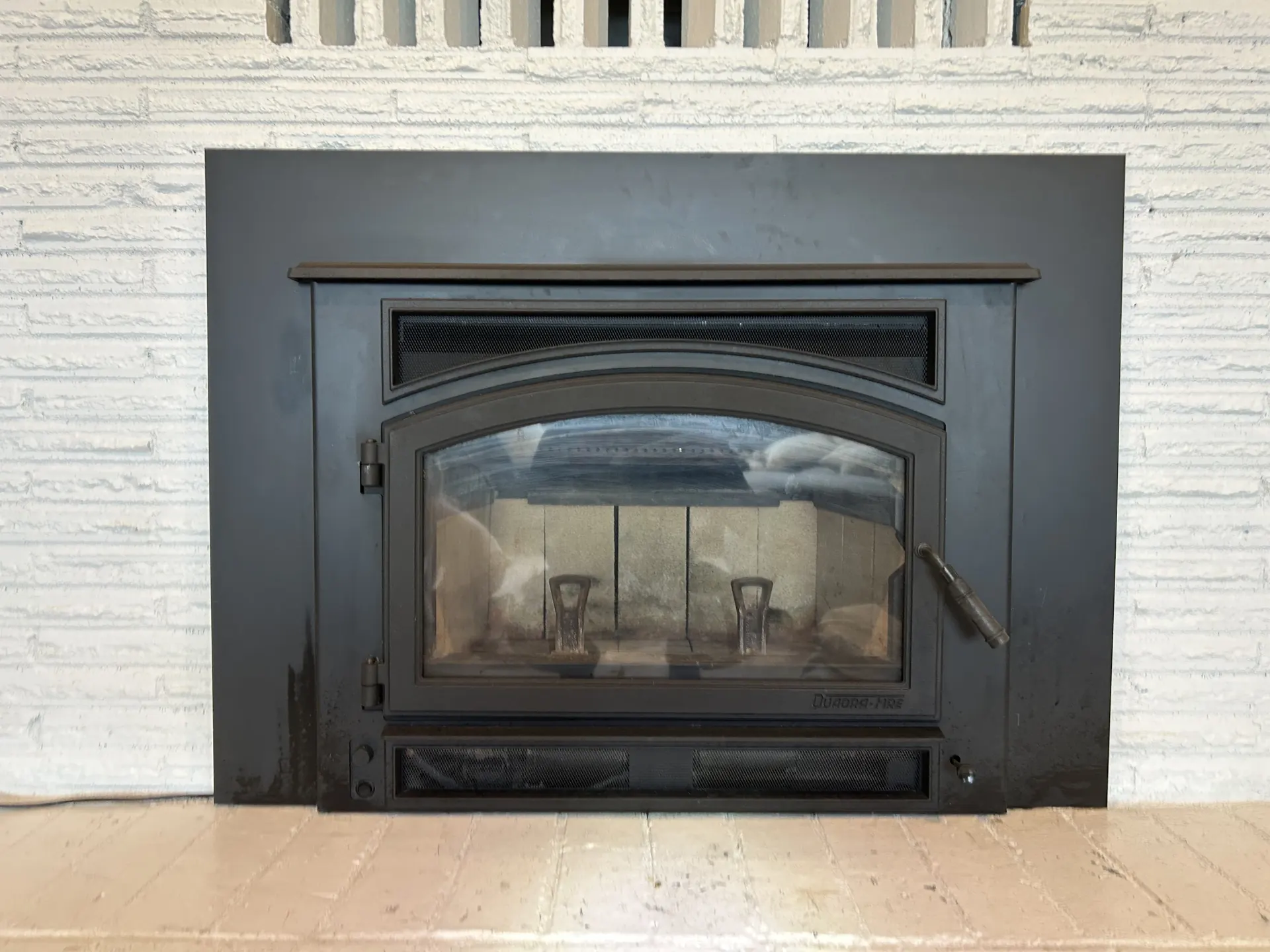
Oregon winters aren't the coldest in the country, but they are long, damp, and gray in a way that wears on people by February. A wood stove insert earns its keep here not because the thermometer drops to brutal numbers, but because it runs steady for months at a time, through weeks of rain and the occasional cold snap that catches everyone off guard. Picking the right one isn't about finding the flashiest model at the hardware store. It's about matching the insert to your fireplace, your chimney, and how you actually heat your home.
Why Insert Choice Matters in Oregon's Wet Winters
An open masonry fireplace loses most of its heat straight up the flue. That's fine for ambiance on a dry October evening, but it does almost nothing when you're trying to keep a living room warm through a soggy January. A wood stove insert slides into that existing firebox and turns it into a closed combustion system, which means more heat stays in the room instead of escaping outside. In the Portland metro and out here around Estacada, where damp weather sits for days at a stretch, that efficiency difference shows up on the wood pile and the heating bill both.
The other piece is moisture. Oregon's rainy season puts real stress on masonry and venting, and an insert that isn't sealed and capped correctly will let that moisture work its way into brick and mortar over a few seasons. That's part of why the stove itself is only half the job. The venting, the cap, and the surrounding masonry all need to hold up to the same weather the insert is supposed to help you survive.
What Makes a Good Insert for This Climate
There isn't one brand or model that's right for every house, but a few things matter consistently in this region. Look for a unit rated for continuous, long burn times, since Oregon winters are more about steady, overnight-length fires than short bursts of heat. A tight door seal and a secondary combustion system help the stove burn cleaner and more efficiently, which matters when you're running it daily for months rather than lighting it occasionally.
Efficiency rating matters too, but don't let it be the only number you look at. A stove that's slightly less efficient on paper but properly sized and correctly installed will out-perform a top-rated unit that's choking on an undersized flue or venting through a chimney that hasn't been swept in years. That's the part people skip. The insert gets all the attention, while the chimney system around it gets an afterthought.
Sizing an Insert to Your Chimney and Home
Sizing is where a lot of installs go wrong. Too small, and the stove runs maxed out all winter just to keep up, which shortens its life and burns more wood than it should. Too large, and you end up damping it down so much that it smolders instead of burning clean, which leads to more creosote buildup in the flue. The right size depends on square footage, how open your floor plan is, insulation, and the layout of the room the fireplace sits in.
This is also where the condition of your existing chimney comes into play. An insert needs a flue liner sized correctly for the appliance, and older masonry chimneys built for an open fireplace often aren't set up for that right out of the box. Before any insert goes in, it's worth having the chimney sweep and inspection service done so you know exactly what you're working with, not just whether the flue is clean but whether the liner, crown, and structure can support the new appliance the way it needs to perform.
Installation Matters as Much as the Stove
A well-built insert installed poorly will underperform a mid-range insert installed correctly. That's not an exaggeration, it's just how venting systems work. Specialized equipment is needed for proper fitting, from the glass door down to the cap, and that's true whether you're putting in a wood stove or converting over to a gas fireplace or insert instead. The connection between the stove and the existing flue has to be airtight and properly lined, or you lose efficiency and create a safety problem at the same time.
Once the insert is in, the top of the system deserves just as much attention as the bottom. A custom stainless steel cap, powder coated to fit and backed by a lifetime warranty, keeps rain and debris out of a flue that's now working harder and more often than it did with an open fireplace. If your chimney has any masonry issues, cracked crowns, failing mortar joints, or flashing that's let water in around the roofline, those need to be addressed before or alongside the insert install. A stove running hard inside a chimney with water intrusion problems is just masking a bigger issue.
We've had homeowners in Estacada wait until the first real cold snap in November to think about an insert, which usually means scheduling gets tight right when everyone else has the same idea. The ones who call in September or early October, while the weather's still mild, tend to get their install done and their first fire lit well before the rain really sets in. If your project involves roofline work beyond the chimney itself, we also work alongside Rip City Construction for homeowners who need broader roofing or structural repairs done at the same time.
Keeping It Running All Season
Once an insert is in and the season starts, maintenance doesn't stop. Wood stoves and inserts need regular sweeping, just like an open fireplace, because creosote still builds up inside the liner even with a cleaner-burning appliance. The glass needs occasional attention, gaskets wear out and need replacing, and the cap and crown should get a visual check before the heaviest rains hit, usually sometime in fall.
Gas conversions carry their own upkeep, mostly around venting and the gas line connection itself, but the same principle applies: an appliance that runs for months straight needs a chimney system that's inspected and maintained to match. Whatever you choose, treat the insert and the chimney as one system, not two separate purchases. That's the difference between an install that lasts fifteen years and one that causes problems by year five.
Ready to book your sweep in Estacada?
Common Questions
FAQ
Do I need a liner if I'm installing a wood stove insert into an existing masonry chimney?
In most cases, yes, because masonry flues built for open fireplaces aren't sized correctly for a closed insert. A proper liner protects the surrounding brick and keeps the insert venting efficiently.
How often should a wood stove insert be swept once it's installed?
Most inserts need at least an annual sweep, sometimes more if you're burning daily through a full Oregon winter. Creosote still builds up inside the liner even with a cleaner-burning closed system.
Is a wood insert or a gas insert better for an Oregon winter?
It depends on how you want to manage daily heating and what kind of venting your home already has. Wood gives you more control over ambiance and backup heat during a power outage, while gas offers consistent, low-maintenance heat without wood handling.
What does an insert installation typically include besides the stove itself?
A full install usually covers the liner, the connection to the existing flue, and a properly fitted cap on top. Any masonry repairs or flashing work needed to keep water out of the system should be handled at the same time, not left for later.
Still have a question? Email Services@FirstRateChimney.com